























Before a conference or event, your video crew needs five things: the run sheet, the venue and exact room, the moments that must be captured, the names and titles of the people on stage, and one contact with a mobile who is on site all day. Send the run sheet first, even a rough one. Everything else is planned off it.
Your event happens once. If the cameras miss the keynote or the reveal, there is no second take. Almost everything that goes wrong on an event shoot is information the crew did not have, so here is the full list, and when each piece is needed.
What should you send, and when?
| Send | By when | Why it matters |
|---|---|---|
| The run sheet, even a rough one | As soon as it exists | It becomes the shoot plan. Every camera position and every grab is timed off it |
| Venue, exact room and the start and finish times | When you book | Sets the crew size and whether more than one room runs at once |
| The moments that have to be captured | With the run sheet | The keynote, the awards, the reveal. The crew is in position before each one, not running to it |
| Who must appear on camera | With the run sheet | VIPs, speakers and sponsors who have to be in the cut, and anyone who must not be filmed |
| Bump-in time, loading dock, parking and passes | Five business days out | A venue that will not allow a build the day before changes the whole morning |
| Names, titles and companies, spelt exactly | Before the shoot | Every lower third and every vox pop needs them. The edit waits without them |
| Logo, end card, brand guidelines and fonts | Before the shoot | So the first cut comes back on brand, not after a chase |
| One contact and their mobile | The day before | The person the crew rings when a room changes at 9am |
Why does the run sheet come first?
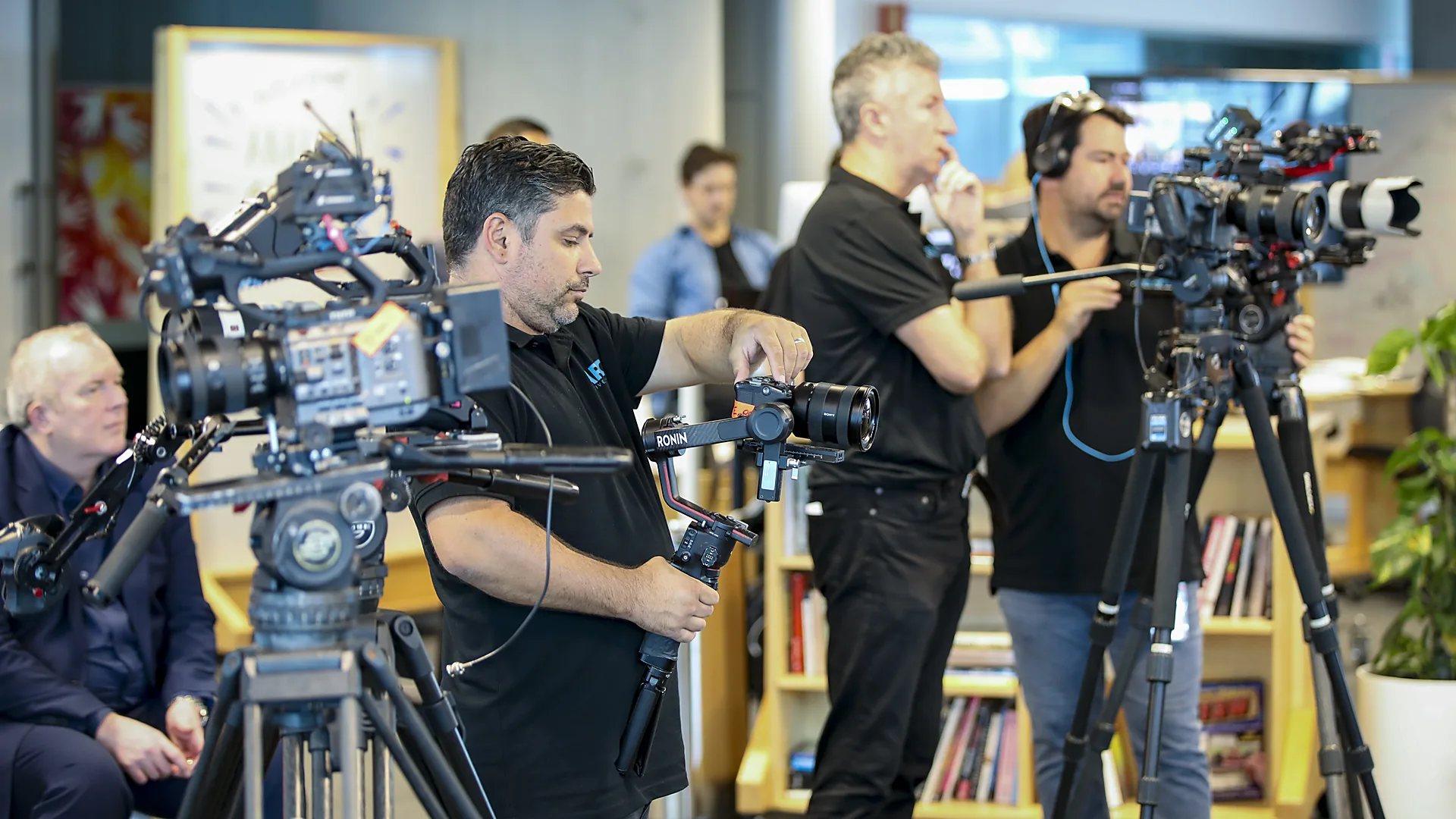
Because the crew plans the day off it. Which camera is locked on the stage, which one is on wides and reactions, and where the roaming camera is for vox pops and detail all come from the running order. Usually that means two or three cameras, scoped to your room and your goals.
A run sheet that arrives three days out, or never, means the crew is reading the day as it happens. A rough one on the day you book is worth more than a perfect one the night before.
What does the crew need to know about the venue?
- What time you need the crew on site, and what time they can pack down.
- Whether the crew can set up the day before, or it is a same-morning build.
- Whether there is a loading dock, and whether dock slots are booked through you or the venue.
- Parking on site, and whether it is paid.
- Accreditation, passes, sign-in or a guest list.
- Whether the venue wants crew names, mobiles and vehicle registrations, and by when.
- Whether there is a production or AV company on site, and who the crew’s contact is there.
- Whether the crew can take an audio feed off the AV desk for the speeches.
The audio one is worth a line of its own. We take a feed straight from the sound desk and back it up with our own mics, so keynotes, panels and interviews come through clean rather than as muddy room sound. That only works if we know who runs the desk before the day.
What does the crew need to know about the people?
Who must appear, who must not, and who is speaking. Then the detail that turns footage into finished films: names, titles and companies, spelt exactly as they should appear on screen, for every speaker and every person interviewed. If you want vox pops, tell us how many and whether there is a quiet room for them.
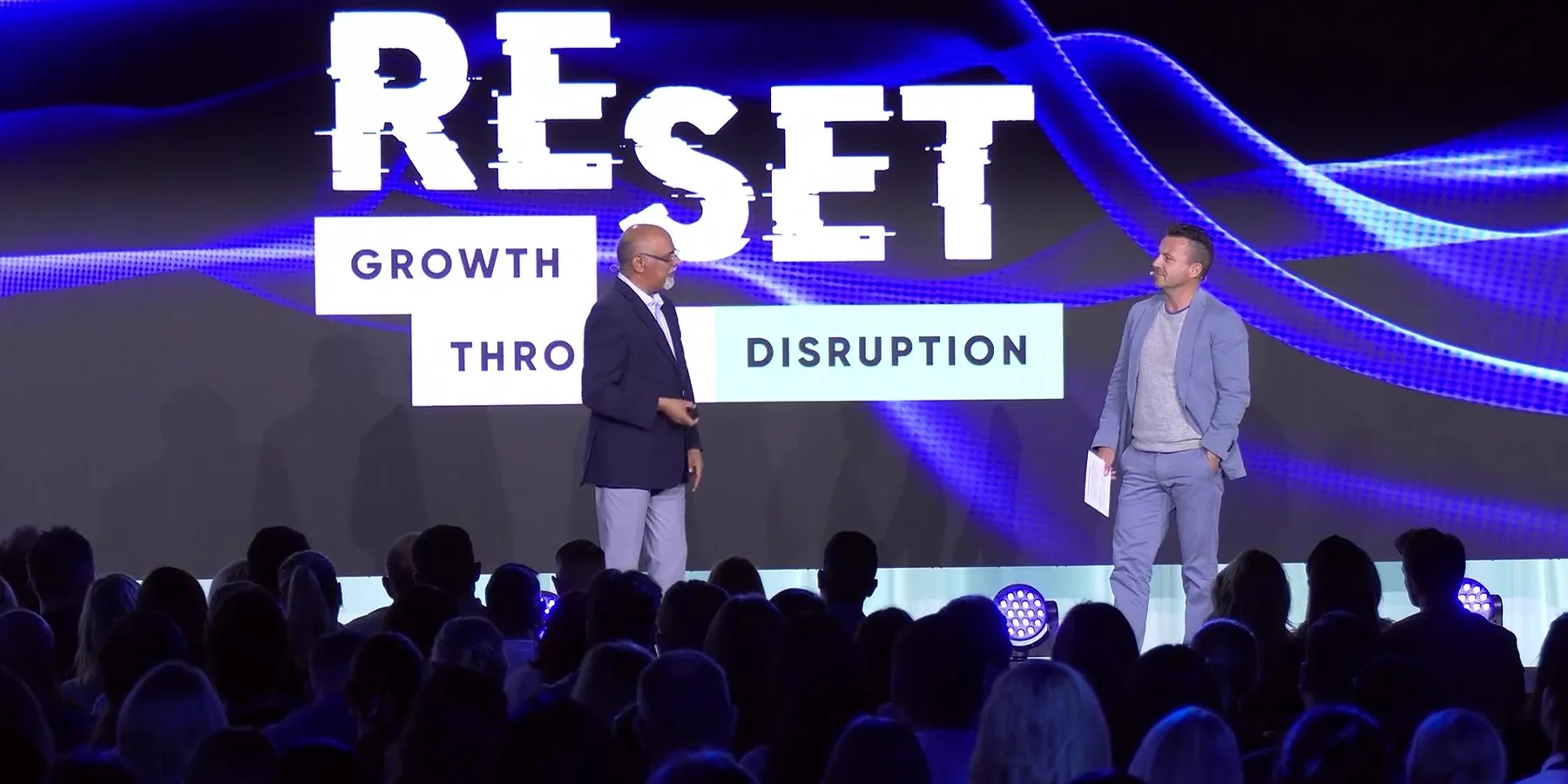
Timing matters here too. We grab vox pops early in the day, while the room is fresh and before the busiest people head off. At RESET 2026 they ran at morning tea and either side of lunch, never at the end of the day, because the people you most want to hear from leave first.
What does the crew need to know about the deliverables?
One event day should not end as one video. Tell us what you want out of it and where it is going, and the crew films for those outputs from the first arrival.
- A sizzle reel, a highlight reel, or both, and how long each should run.
- Speaker sessions, in full or cut down.
- Vertical social clips, and how many.
- Sponsor content, and the order sponsors appear in if that is a contract term.
- Stills as well as video, and whether both need to happen at the same time.
- When you need the final files, and who signs off on the cut.
The stills question is the biggest price fork. Stills and video at the same time means two people. And if the footage needs a life after the night, say so early. Social cutdowns, member updates and next year’s promo all come off the same day when they are planned for.
What does this look like on a real event?
RESET 2026 was the day AANA and ADMA became the Marketing Association of Australia, with more than 600 senior marketers at ILUMINA on Elizabeth Street. The venue would not allow a build the day before, so three cameras went in between 6:30 and 8am. One floor was off limits to cameras entirely. Four sponsor lunches ran at the same time in four rooms on two levels, and sponsor screen time was a contract term, not a creative preference.
Out of that one day came twelve finished films, with the hero wrap and its vertical cutdowns delivered inside the 48 hour deadline the client set. Every one of those constraints was workable because we knew about it before the day. The full story is in the RESET 2026 case study.
Is there an easier way to send all this?
Yes. Our event video brief is a link, not a form to print. Five short steps on your phone, two minutes, and you can attach the run sheet and your logo files as you go. When we are already talking about your event, we send it to you pre-filled with everything we know, so you only check it and add the gaps.
Logistics, audio, lighting and sign-off are deliberately kept off it. Those are quicker on a call, so Jess asks them there.
Got an event coming up?
Send the date, the venue and what you need from the day. You will get one fixed quote within one business day, and the brief link with it. Here is how we run event videography in Sydney, and what one day can turn into.
Related reading
- How long does a corporate video take, from brief to delivery?
- How much does a corporate video cost in Sydney?