Panels and fireside chats
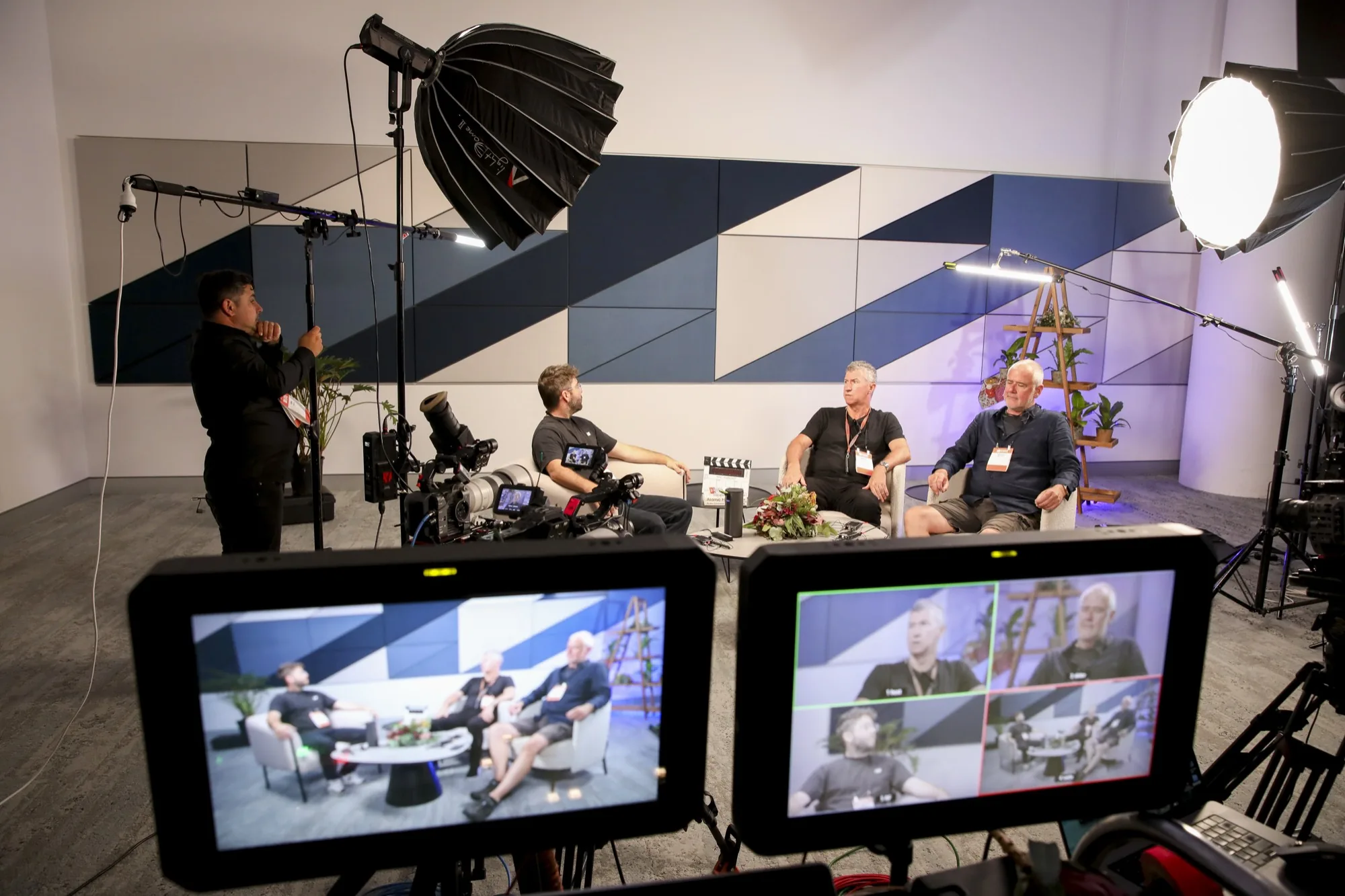
A wide on the group and a camera on each speaker. Nobody gets cut off mid-answer.
See conference video →
Trusted by






Some things happen once. A panel, a keynote, an awards moment, a conversation between two people who are only in the same room today. Miss it on one camera and it's gone.
Multi-camera gives the editor somewhere to cut. It hides the pauses, the ums and the questions you don't need, and it turns a long session into something people will actually watch.
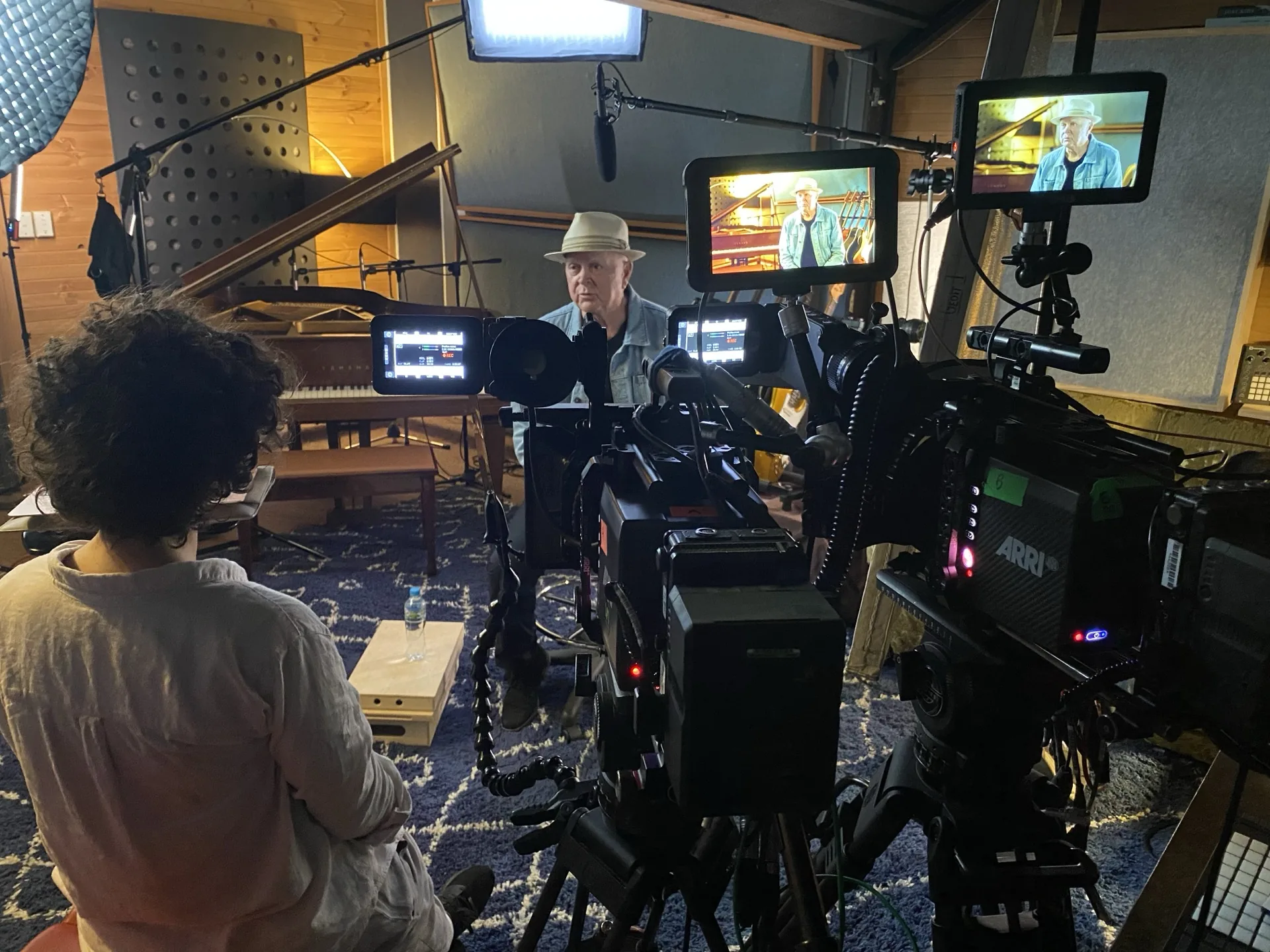
A wide on the group and a camera on each speaker. Nobody gets cut off mid-answer.
See conference video →Wide for context, a long lens for the speaker, and a roamer for the room and the reactions.
A hero angle and a profile, so a twenty minute chat cuts down to two minutes that flow.
See testimonial video →Cameras feeding a switcher, cut live for the stream and recorded clean for the edit after.
See livestreaming →A camera per seat plus a wide, so a long-form recording becomes clips as well as an episode.
See podcast production →A wide and a tight on the hands at the same time, for training and product work.
Tell us the room, the format and the date. We'll work out how many cameras it really needs.
You’ll hear back within one business day.
How we work
Five stages, all handled. You tell us the room and the format. We match the cameras and cut it clean.
Tell us the goal, the audience and the deadline once. Jess turns it into a scope, a plan and a fixed quote, so you know what you’re getting before anything is locked in.
We plan the shoot, shape the key messages with you, build the shot lists and lock the call sheet before anyone films. Locations, talent and logistics are handled, and we coach anyone nervous about being on camera.
An experienced crew runs the day to the call sheet and settles people on camera fast. Broadcast-grade cameras, audio and lighting, with backups for the backups. We came up through live news, so calm under pressure is the default.
We edit and finish, then send the cut through Frame.io so you comment straight on the frame. Two rounds of changes are built in. Social cutdowns are planned from the start, so one shoot works everywhere.
You get the final files in the formats you need, ready to go across every channel. They’re yours to use anywhere, for as long as you like.
Multi-camera goes wrong in the edit, not on the day. Two cameras that don't match, or audio that drifts, and you've paid for angles you can't use.
The same camera family across every angle, set to the same picture profile, so nothing shifts between cuts.
Cameras and audio synced on the day, so the editor isn't lining up waveforms by eye.
Radio mics recorded to their own tracks, not just to camera. One dropout doesn't cost you the answer.
Angles chosen so consecutive shots are different enough to cut. Two similar wides is a wasted camera.
Every card copied to two drives before the kit goes in the van.
We shoot knowing you'll want vertical clips as well as the long cut, so the framing leaves room.
More cameras isn't automatically better. Each one adds an operator, a set-up and time in the edit. Here's the honest guide.
| Set-up | Good for | What you get |
|---|---|---|
| One camera | A single piece to camera, a short interview | A clean hero angle, with cutaways to hide edits |
| Two cameras | Interviews, testimonials, small panels | A hero and a profile, so you can cut a long answer down |
| Three cameras | Panels, keynotes, podcasts | Wide, speaker and reaction. Covers the whole room |
| Four or more | Conferences, livestreams, awards | Full stage coverage plus a roamer for the crowd and the moments |
Our work
Aboriginal and Torres Strait Islander viewers are advised that this video may contain images and voices of people who have died.
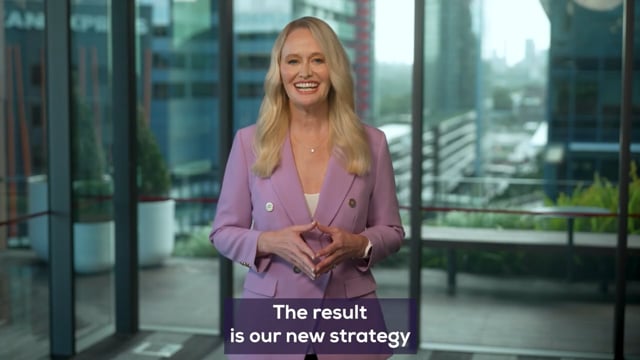
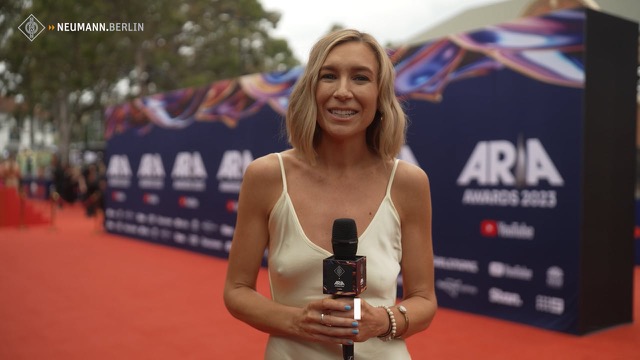
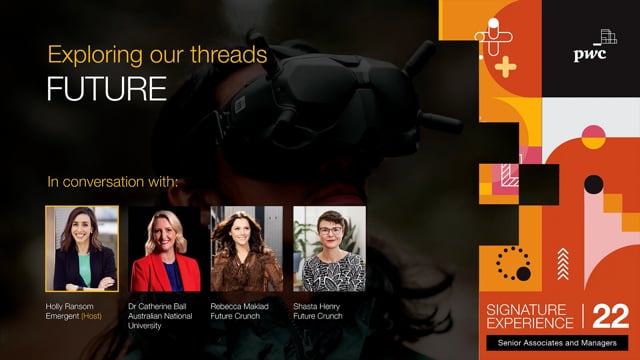
Want one like this? Send Jess your date.
Start a conversationI’m really relaxed. Even the events I’m not present at, I’m not worried at all.
They make our attendees feel comfortable on camera, find solutions and ways to maximise on content during the day.
I had a partner, not a supplier. They were truly part of the team.
Tell us the format and the date. We'll come back with a fixed quote, usually within one business day.
Good to know
Three is the usual answer. A wide on the whole panel, one on whoever is talking, and one for reactions and the audience. Two works for a short panel with two speakers.
Not always. Wide shots are often locked off and left running, which keeps the crew count down. Anything that has to follow a person needs someone on it.
Yes. The switcher cuts the stream live while every camera also records its own clean file, so the edit afterwards isn't stuck with the live cut.
A little, because there's more footage to sync and watch. It usually saves money overall, because you get a far better cut out of one shoot day.
Not much. The room, the format, how long it runs and the date. A few lines is plenty. If something's missing, Jess will call and ask rather than send you a form. You'll hear back within one business day.
Less than you'd think. A short brief call about the room and the format, a look at the plan, then two rounds of notes on the edit. Jess books the crew and sends the call sheet. You only need to be there if you want to be.
Based in Sydney, filming across the CBD, North Sydney, Macquarie Park, Parramatta, the Inner West and beyond. We travel across NSW and interstate for the right job.
Start a conversation